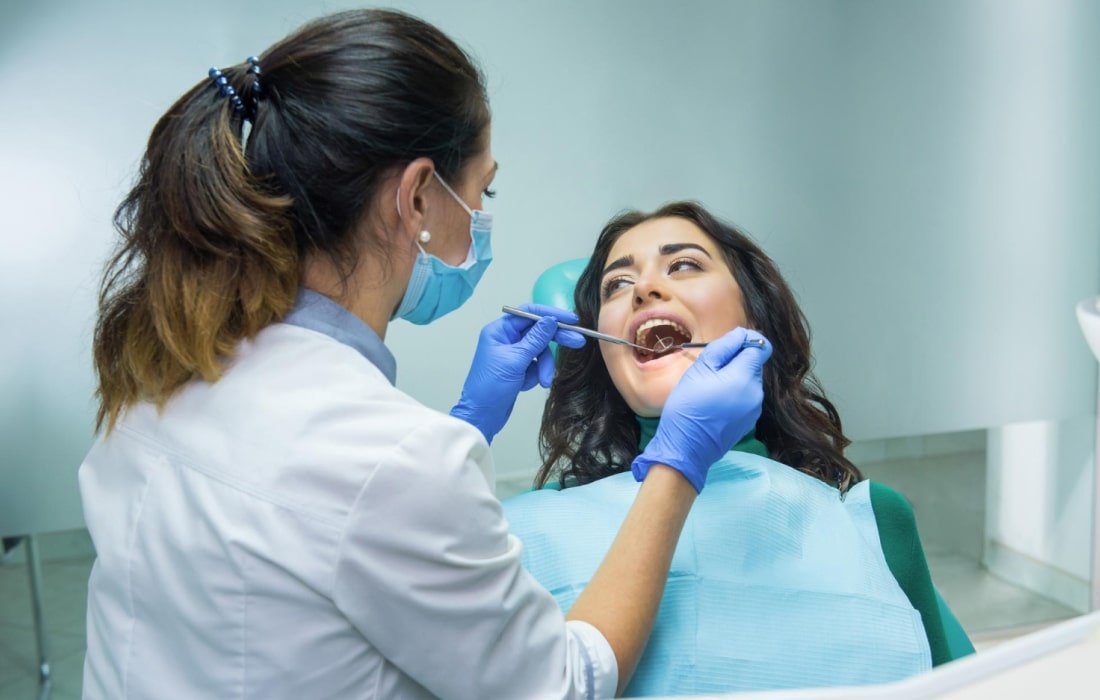
Oral health became one of the major global health stories in November 2022 after the World Health Organization (WHO) warned that nearly half of the world’s population was affected by oral diseases. According to a WHO report published on November 18, around 3.5 billion people, or 45% of the global population, were living with oral health problems. (World Health Organization)
The most common conditions included tooth decay, severe gum disease, tooth loss, and oral cancers. Untreated tooth decay was identified as the most common health condition worldwide, affecting an estimated 2.5 billion people. Severe gum disease was estimated to affect around 1 billion people, while approximately 380,000 new cases of oral cancer were diagnosed each year. (World Health Organization)
WHO also highlighted a major inequality in access to dental care. Around three-quarters of people affected by oral diseases live in low- and middle-income countries, where access to affordable dental services and specialized equipment can be limited. The organization said that oral health had historically received too little attention within global healthcare systems. (World Health Organization)
The report emphasized that many oral diseases can be prevented and treated. WHO called for countries to include oral healthcare within their broader healthcare systems and improve access to prevention and treatment, particularly for vulnerable and disadvantaged communities.
Other major health stories during the same week included rising COVID-19 cases in China. Authorities introduced additional measures in several cities as infections approached levels not seen since earlier stages of the pandemic. The Netherlands also reported further measures to control an outbreak of highly infectious bird flu. (World Economic Forum)
There was also growing concern in Europe about recreational use of nitrous oxide, commonly known as laughing gas. Health authorities reported increasing numbers of poisonings among young people. Meanwhile, researchers continued exploring new approaches to healthcare, including a UK clinical trial testing laboratory-grown blood in humans. (World Economic Forum)
The week’s health stories demonstrated how public health extends far beyond major infectious diseases. Oral health, preventive care, access to treatment, and healthy everyday habits are all important parts of overall well-being. WHO’s warning served as a reminder that dental health remains a significant global health issue requiring greater attention and access to care.