
Fast fashion has changed the way people buy and wear clothes. New collections can reach stores and online platforms quickly, often at low prices, making it easy for consumers to follow changing trends. However, the speed and scale of this industry come with significant environmental costs.
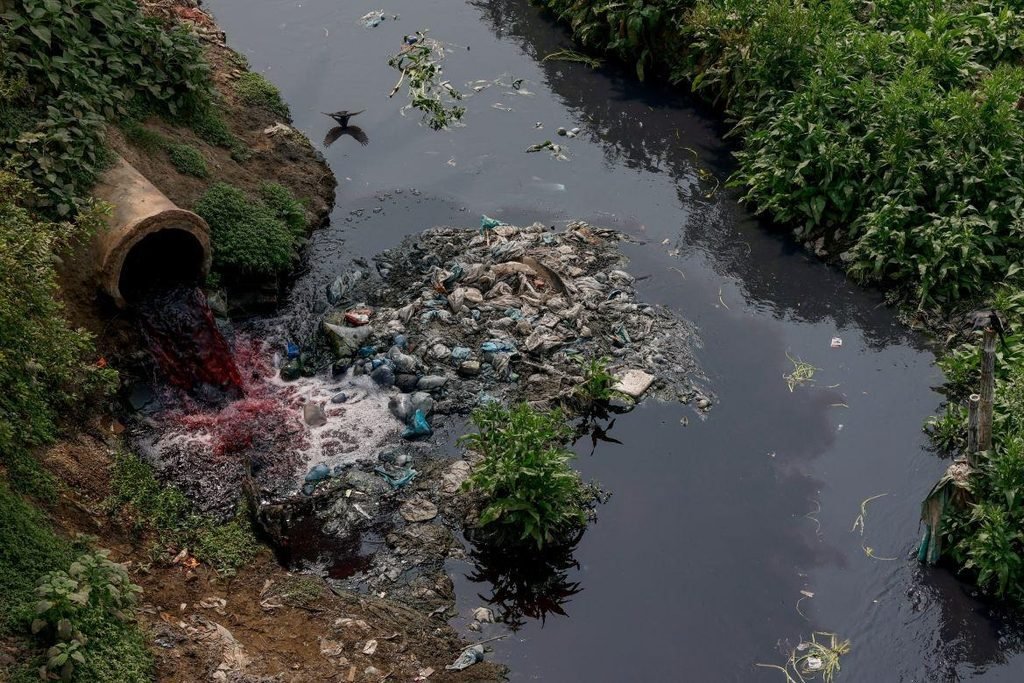
One major concern is water consumption. Producing textiles requires large amounts of water, particularly for growing cotton and processing and dyeing fabrics. Textile production can also contribute to water pollution when wastewater containing dyes, chemicals, and other substances is not properly treated.
Fast fashion also contributes to greenhouse gas emissions. Manufacturing clothes requires energy, while transporting raw materials and finished products around the world adds further emissions. Synthetic fabrics such as polyester are made from fossil-fuel-based materials, adding another environmental concern.
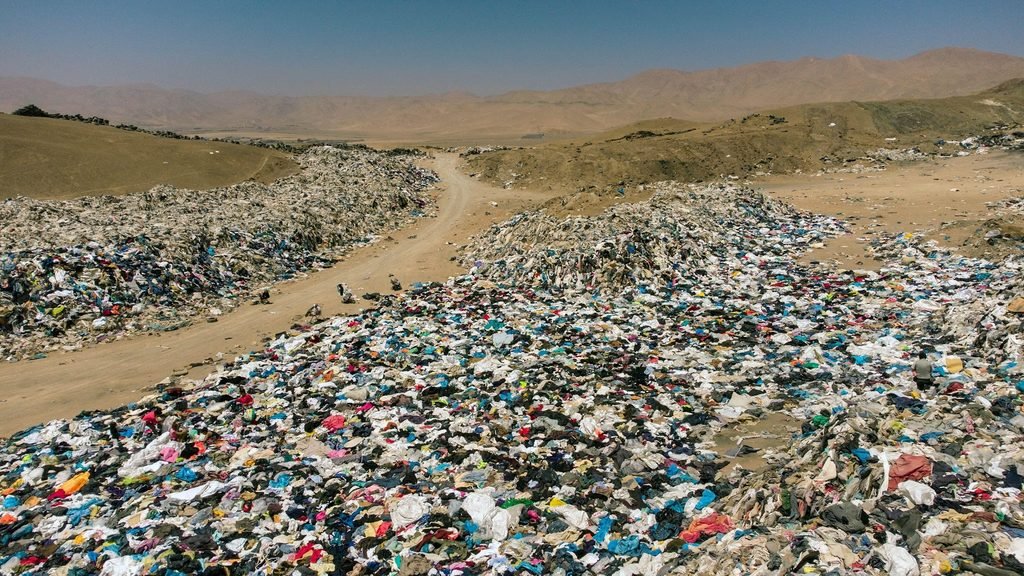
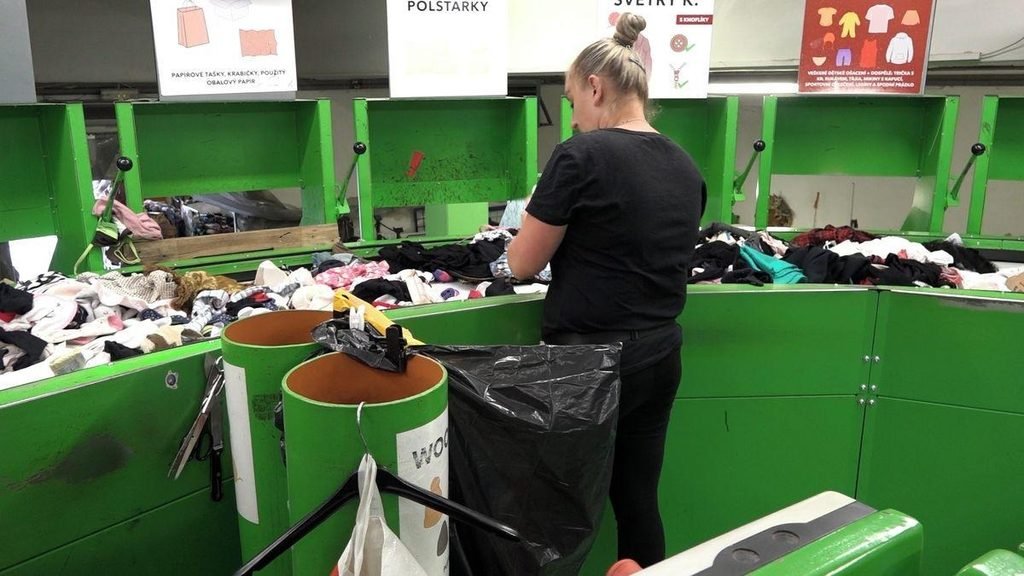
Another major problem is textile waste. Because inexpensive clothing can encourage frequent purchases, many garments are used for relatively short periods before being thrown away or replaced. Large quantities of unwanted clothing end up in landfills or are exported as second-hand goods. Synthetic textiles can also persist in the environment for a long time.

The production and washing of synthetic clothing can also release microfibres. These tiny particles can enter wastewater and eventually reach rivers and oceans. Researchers continue to study their environmental effects and ways to reduce their release.
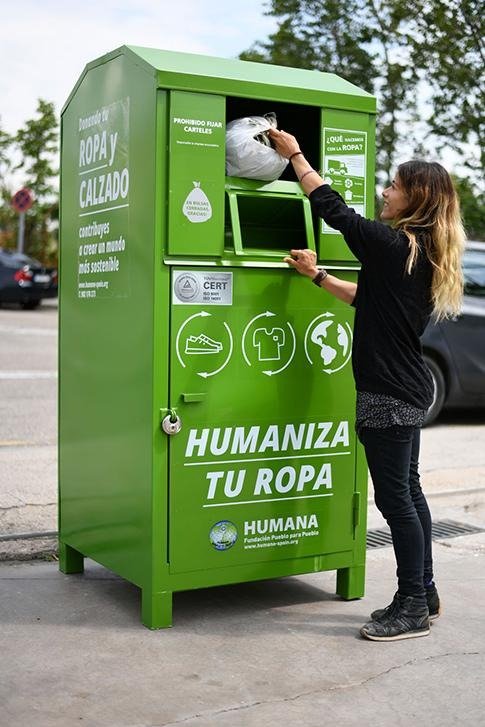
Consumers can help reduce some of these impacts by making more thoughtful purchasing decisions. Buying fewer, better-quality garments, repairing damaged clothing, choosing second-hand items, washing clothes responsibly, and donating or recycling unwanted pieces can extend the useful life of textiles.
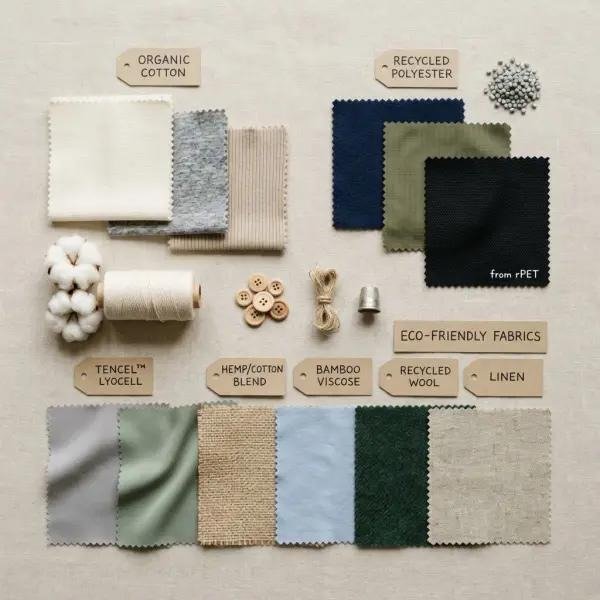
Brands also have an important role to play. More durable designs, responsible material sourcing, cleaner manufacturing processes, improved recycling systems, and greater transparency can help reduce the industry’s environmental footprint.
Fast fashion itself is not the only cause of environmental problems, and individual consumers cannot solve the issue alone. The industry involves complex supply chains, manufacturers, retailers, governments, and consumers. However, changing how clothes are designed, produced, purchased, used, and discarded can contribute to a more sustainable fashion system.
Ultimately, the environmental cost of fast fashion highlights an important question: Do we really need to buy more clothes, or can we make better use of the clothes we already own? A shift toward durability, reuse, repair, and responsible production could help fashion become less wasteful while still allowing people to express their personal style.